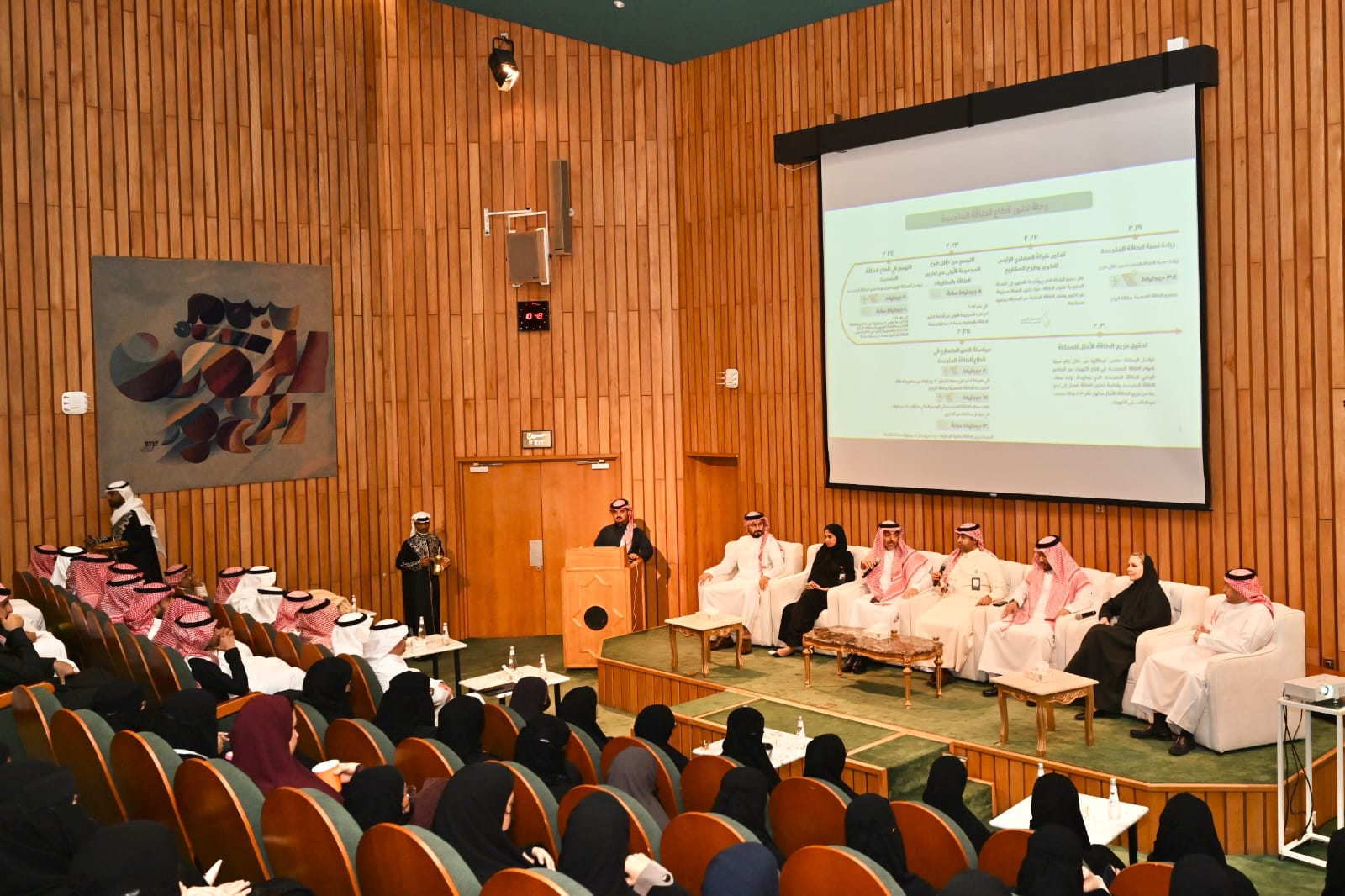
King Abdulaziz University (KAU) hosted an introductory session for male and female
students on renewable atomic energy. The event was attended by KAU President Dr.
Tareef bin Youssef Alaama; Eng. Faisal Al-Duaij, Deputy Minister of Energy for
Renewable Energy; and Eng. Ayman Mufti, Vice President for Energy Capacity
Building at King Abdullah City for Atomic and Renewable Energy. The session was
held on Sunday, 15 February 2026, at the King Faisal Conference Center.
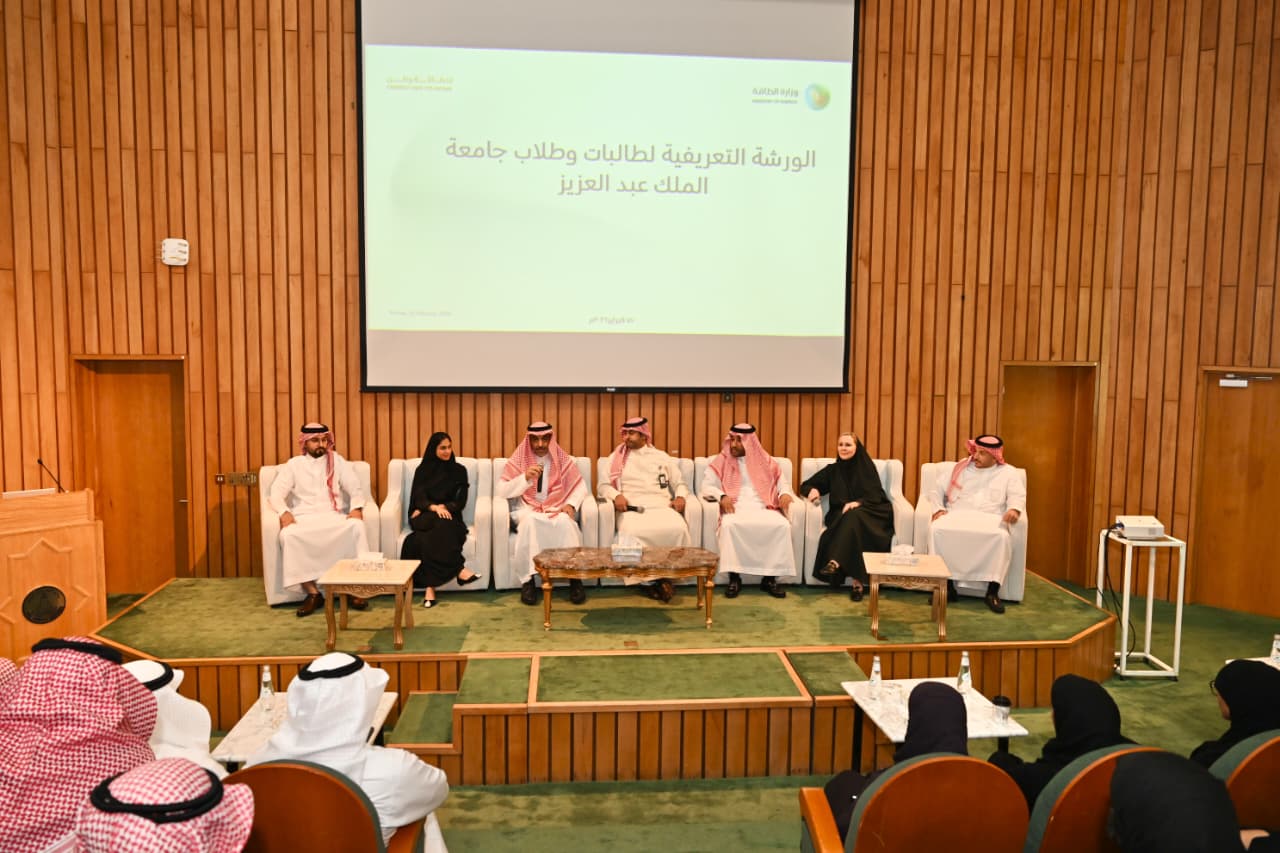
The session forms part of the University’s strategic framework to strengthen
academic partnerships with key government sectors and support national objectives
in developing a clean energy ecosystem. It focuses on qualifying national talent and
enhancing their competencies in leveraging modern technologies, geospatial
surveying, and data analysis.
The program featured a presentation outlining the objectives and outcomes of the
Geospatial Survey Project and its role in supporting strategic planning for renewable
energy initiatives. The Geospatial Survey Project is considered one of the key
initiatives contributing to the development of the Kingdom’s renewable energy
ecosystem.
The session emphasized the development of a spatial analytical model using
Geographic Information Systems (GIS) to assess site suitability for renewable energy
projects and resource monitoring stations. It also highlighted methodologies for
identifying optimal locations for solar and wind power generation facilities. These
efforts aim to enhance planning efficiency, improve site selection quality, and
strengthen the reliability of renewable energy project outputs across various regions
of the Kingdom.
In addition, the session reviewed the pillars of the Energy Sector Capacity Building
Program, including specialized training and qualification pathways designed to
develop the skills of professionals and stakeholders in the sector. The program
enhances the operational readiness of national talent to participate effectively in the
implementation of renewable energy projects.
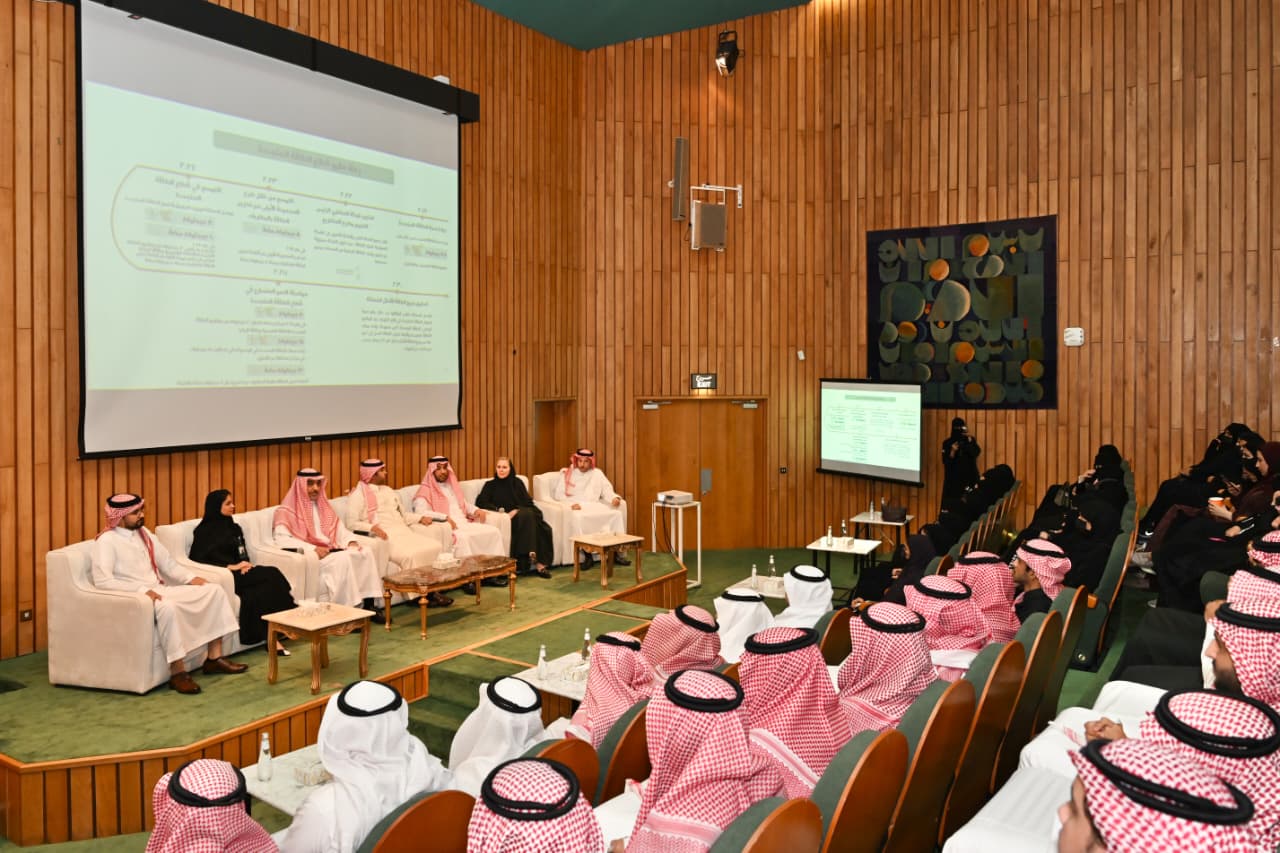
King Abdullah City for Atomic and Renewable Energy contributes to advancing the
Kingdom’s energy sector development through capacity building initiatives,
empowerment of national competencies, and the integration of advanced
technologies in data analysis and model development. These efforts support the
execution of renewable energy projects in line with international best practices and
the objectives of Saudi Vision 2030 to increase reliance on clean energy and achieve
sustainability.
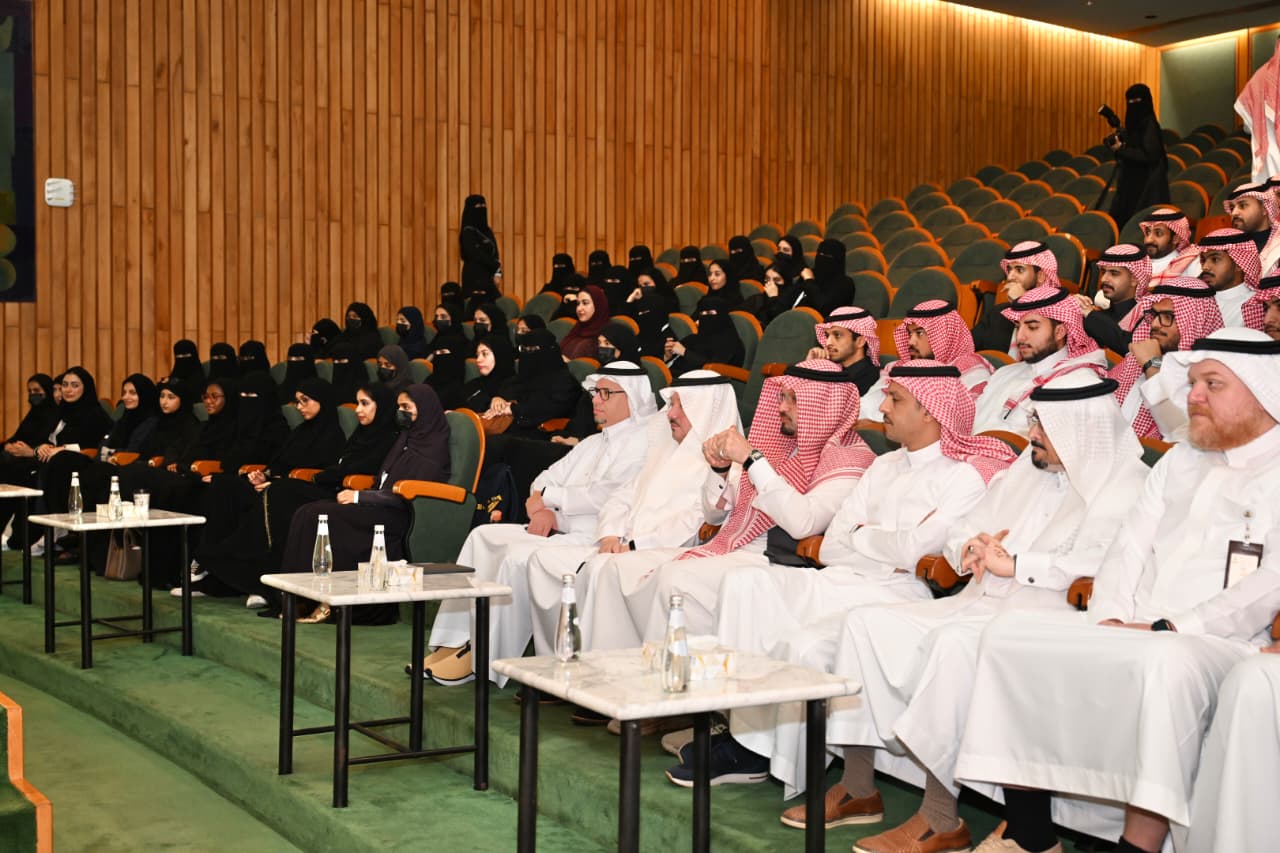
At the conclusion of the session, participants emphasized the importance of
integrated collaboration between educational institutions and specialized entities to
ensure national outcomes that position the Kingdom as a global leader in sustainable
energy development.